History
Read Our History
The summer of 1993 gained notoriety as the “Summer of Violence” or “Summer of Fear” in Denver, Colorado, as the state’s capital and largest metropolitan area witnessed 74 homicides. The number of crimes linked to gangs included 6 homicides, 142 aggravated assaults, 29 simple assaults, and 18 robberies. Additionally, some 58 juveniles were treated for gunshot or stab wounds at Denver Health Medical Center (then the Denver General Hospital) one block north of the First Mennonite Church of Denver where CCFC is currently housed. Nearly one out of every four murder suspects arrested in Denver was a juvenile male of color. Colorado ranked tenth in the nation for violent juvenile crime, most of that crime was among youth of color. In response to this violence and the police response that ensued, a small group of interested members of the First Mennonite Church of Denver led by Senior Pastor Jerry Weaver came together to determine what could be done to forestall another “Summer of Violence”. This group acknowledged that specific societal forms of oppression such as racism and poverty contributed to the violence communities of color were experiencing and wanted to create an organization whose values were rooted in social justice, non-violent conflict resolution, intentional anti-racist approaches and was community led.
The summer of 1993 gained notoriety as the “Summer of Violence” or “Summer of Fear” in Denver, Colorado, as the state’s capital and largest metropolitan area witnessed 74 homicides. The number of crimes linked to gangs included 6 homicides, 142 aggravated assaults, 29 simple assaults, and 18 robberies. Additionally, some 58 juveniles were treated for gunshot or stab wounds at Denver Health Medical Center (then the Denver General Hospital) one block north of the First Mennonite Church of Denver where CCFC is currently housed. Nearly one out of every four murder suspects arrested in Denver was a juvenile male of color. Colorado ranked tenth in the nation for violent juvenile crime, most of that crime was among youth of color. In response to this violence and the police response that ensued, a small group of interested members of the First Mennonite Church of Denver led by Senior Pastor Jerry Weaver came together to determine what could be done to forestall another “Summer of Violence”. This group acknowledged that specific societal forms of oppression such as racism and poverty contributed to the violence communities of color were experiencing and wanted to create an organization whose values were rooted in social justice, non-violent conflict resolution, intentional anti-racist approaches and was community led.
Watch Our Story
History
The summer of 1993 gained notoriety as the “Summer of Violence” or “Summer of Fear” in Denver, Colorado, as the state’s capital and largest metropolitan area witnessed 74 homicides. The number of crimes linked to gangs included 6 homicides, 142 aggravated assaults, 29 simple assaults, and 18 robberies. Additionally, some 58 juveniles were treated for gunshot or stab wounds at Denver Health Medical Center (then the Denver General Hospital) one block north of the First Mennonite Church of Denver where CCFC is currently housed. Nearly one out of every four murder suspects arrested in Denver was a juvenile male of color. Colorado ranked tenth in the nation for violent juvenile crime, most of that crime was among youth of color. In response to this violence and the police response that ensued, a small group of interested members of the First Mennonite Church of Denver led by Senior Pastor Jerry Weaver came together to determine what could be done to forestall another “Summer of Violence”. This group acknowledged that specific societal forms of oppression such as racism and poverty contributed to the violence communities of color were experiencing and wanted to create an organization whose values were rooted in social justice, non-violent conflict resolution, intentional anti-racist approaches and was community led.
The summer of 1993 gained notoriety as the “Summer of Violence” or “Summer of Fear” in Denver, Colorado, as the state’s capital and largest metropolitan area witnessed 74 homicides. The number of crimes linked to gangs included 6 homicides, 142 aggravated assaults, 29 simple assaults, and 18 robberies. Additionally, some 58 juveniles were treated for gunshot or stab wounds at Denver Health Medical Center (then the Denver General Hospital) one block north of the First Mennonite Church of Denver where CCFC is currently housed. Nearly one out of every four murder suspects arrested in Denver was a juvenile male of color. Colorado ranked tenth in the nation for violent juvenile crime, most of that crime was among youth of color. In response to this violence and the police response that ensued, a small group of interested members of the First Mennonite Church of Denver led by Senior Pastor Jerry Weaver came together to determine what could be done to forestall another “Summer of Violence”. This group acknowledged that specific societal forms of oppression such as racism and poverty contributed to the violence communities of color were experiencing and wanted to create an organization whose values were rooted in social justice, non-violent conflict resolution, intentional anti-racist approaches and was community led.
Watch Our Story
CCFC's Approach
CLICK TO EXPAND
Healing Informed
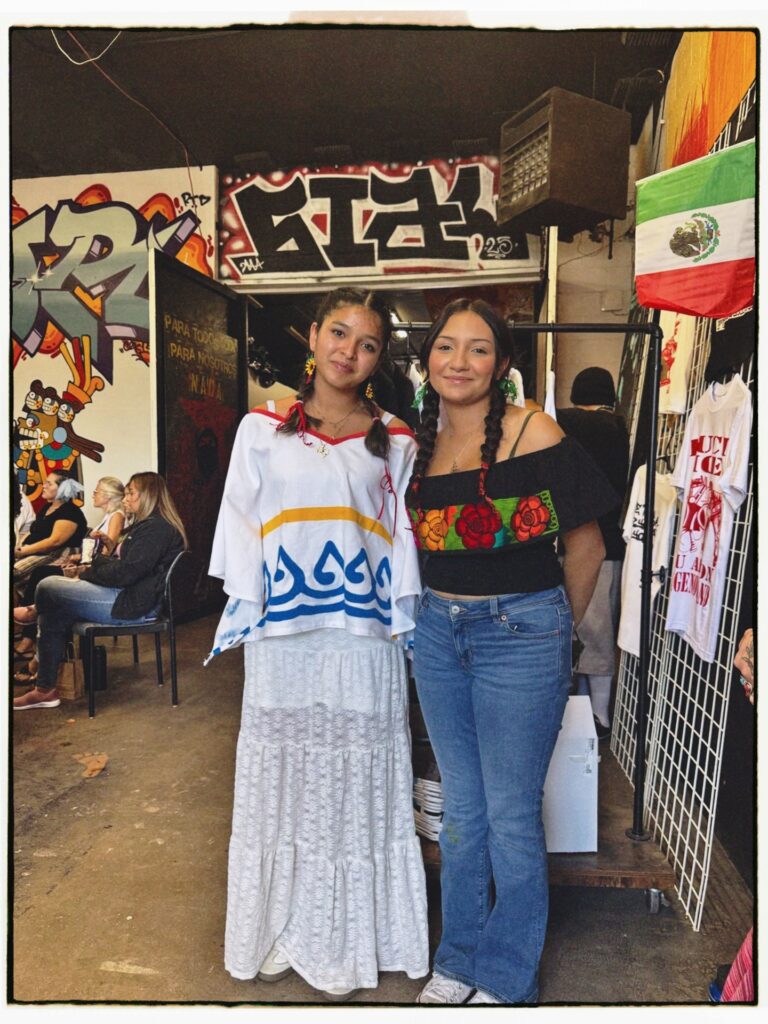
CCFC’s work is relationship centered and focuses on the gifts (assets) of the youth, family and community in which they live. We emphasis the interconnectedness we have within our communities and work collaboratively with youth and their families to provide a safety net of support. It is important that we provide an intentional space that offers youth the opportunity to connect with elders and we ensure staff, and volunteers model skills for recognizing triggers, calming, centering, and staying present during emotionally pressuring moments. Our work is informed by the culture, gender, age, and other identities of our youth to ensure youth feel connected, safe, and trusting of our staff, volunteers and space. Healing generational wounds to build resilience and coping skills is key in our approach to transformational healing. Self-care for youth, families, staff and volunteers is weaved into the fabric of CCFC on all levels. We acknowledge trauma can be central to development and a wide range of adaptations in which youth make decisions therefore we focus on supporting the healthy development of youth within what we can the four domains of healing and good health. Our organizational journey is that of healing harm/hurt and emotional, mental and spiritual wounds.
Culturally Rooted
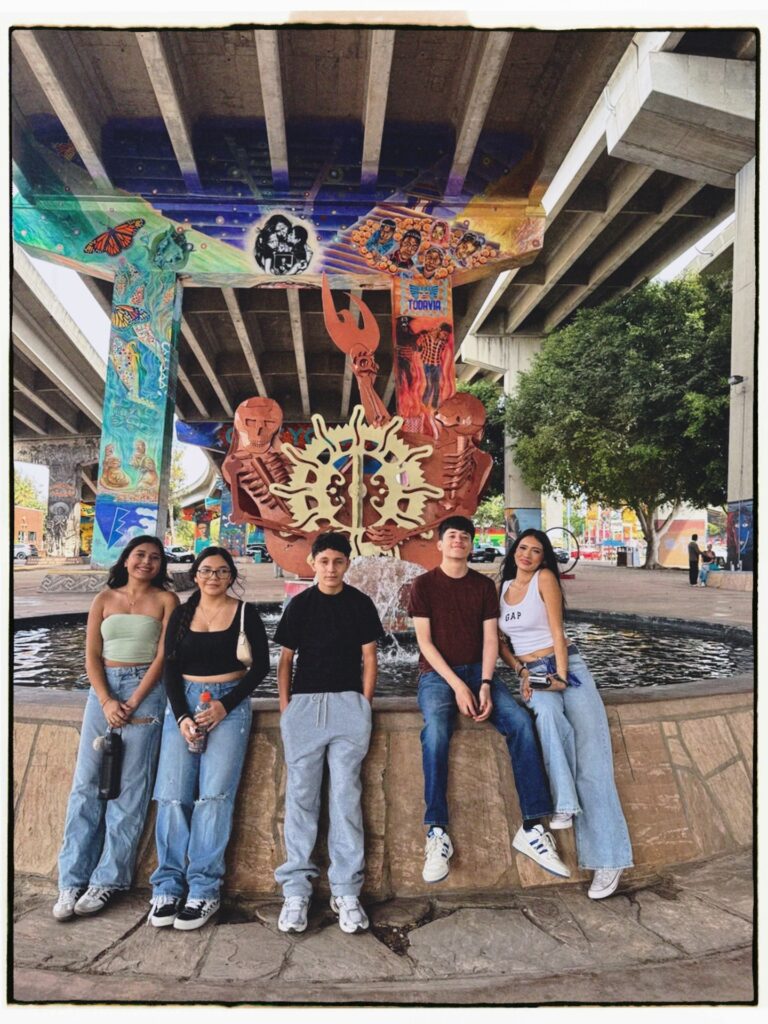
In the Arts-Integrated Curriculum, as defined by The Kennedy Center’s Changing Education Through the Arts (CETA) program, “the arts become the approach to teaching and the vehicle for learning.” Students meet dual learning objectives when they engage in the creative process to explore connections between an art form and another subject area to gain greater understanding in both. For example, learners meet objectives in theater (characterization, stage composition, action, expression) and in social studies. The experience is mutually reinforcing—creating a dramatization provides an authentic context for learners to learn more about the social studies content and as learners delve deeper into the social studies content, their growing understanding affects their dramatizations.
Project-based learning (PBL) is a teaching method in which students work on a project over an extended period of time that engages them in a variety of content areas to solve a real-world problem or answer a complex question. As a result, students develop deep content knowledge and the ability to apply it in real-world situations. They demonstrate their knowledge and skills by developing a public product or presentation for a real audience. PBL makes learning relevant.
Restorative & Transformative
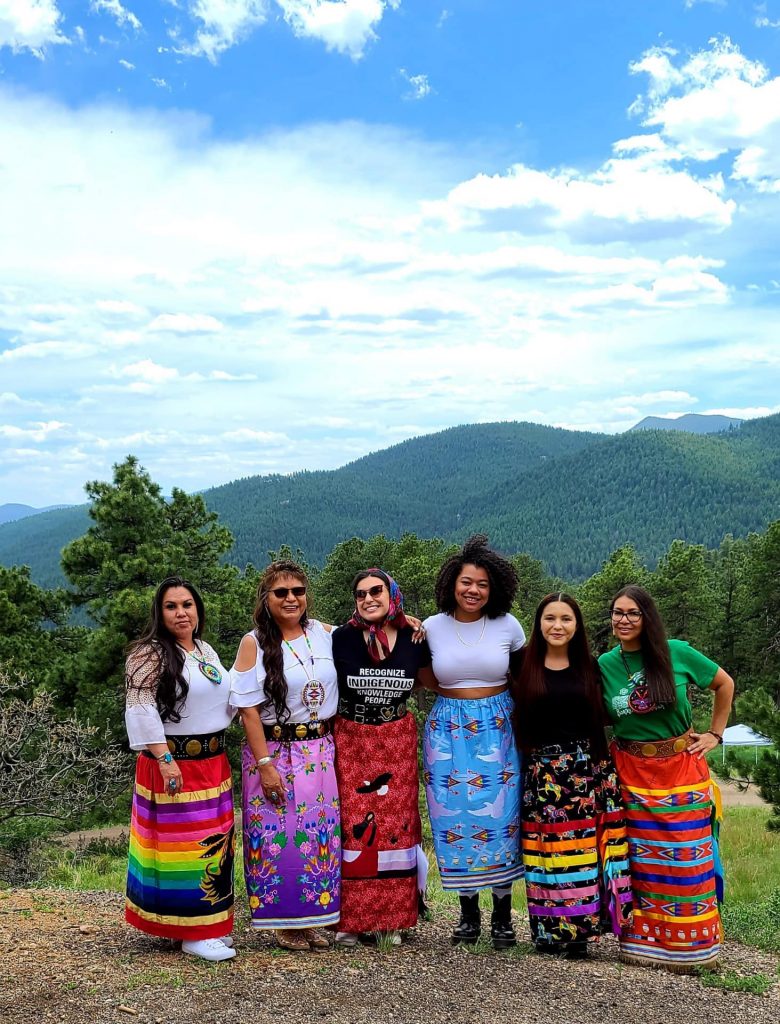
CCFC has continued to embrace values that focus on healing harm caused by crime but has taken Restorative Justice to a deeper level of Transformative Justice.
VORP captures Transformative Justice (TR) by taking the principles and practices of Restorative Justice beyond the criminal justice system. It is a way of practicing alternative justice which acknowledges individual experiences and identities and works to actively resist the criminalization of youth, keep them in school, and out of the criminal justice system and transform decision making.
The focus of TR is to begin a journey of transformational healing for youth, families, and community by focusing on the root causes of harm (crime). This is done by addressing generational wounds and trauma caused by societal oppression (racism, poverty, systemic violence etc.) to inspire youth to empathize with survivors of crime and heal the harm they’ve caused them.
Transformative Justice also actively works to transform systems that cause harm to particular communities, especially communities of color such as the school to prison pipeline, the war on drugs, and the prison industrial complex.
Racial Justice
25 years ago the founders of CCFC (then known as VORP at the time) recognized various forms of oppression impacted the lives of youth in the Metro Denver area in very negative ways and race was at the forefront of that oppression. Youth of color face various forms of violence rooted in racism and oppression that includes ideological (ex: stereotyped as criminals), institutional (ex: school to prison pipeline), interpersonal (ex: being feared as criminal, white woman clenching purse when Black youth enters elevator) and internalized (ex: joining a gang). It is critical we not only acknowledge racism is a very real thing in the everyday lives of our youth but we work to provide a space that compensates for the racism they experience. We work to provide an equitable environment and interactions with youth and families that incorporate direct conversations about how racism causes harm and trauma. CCFC sees advancing racial justice at the core of our work and we build a knowledge base and tools to dismantle racism.

Approach
Healing Informed
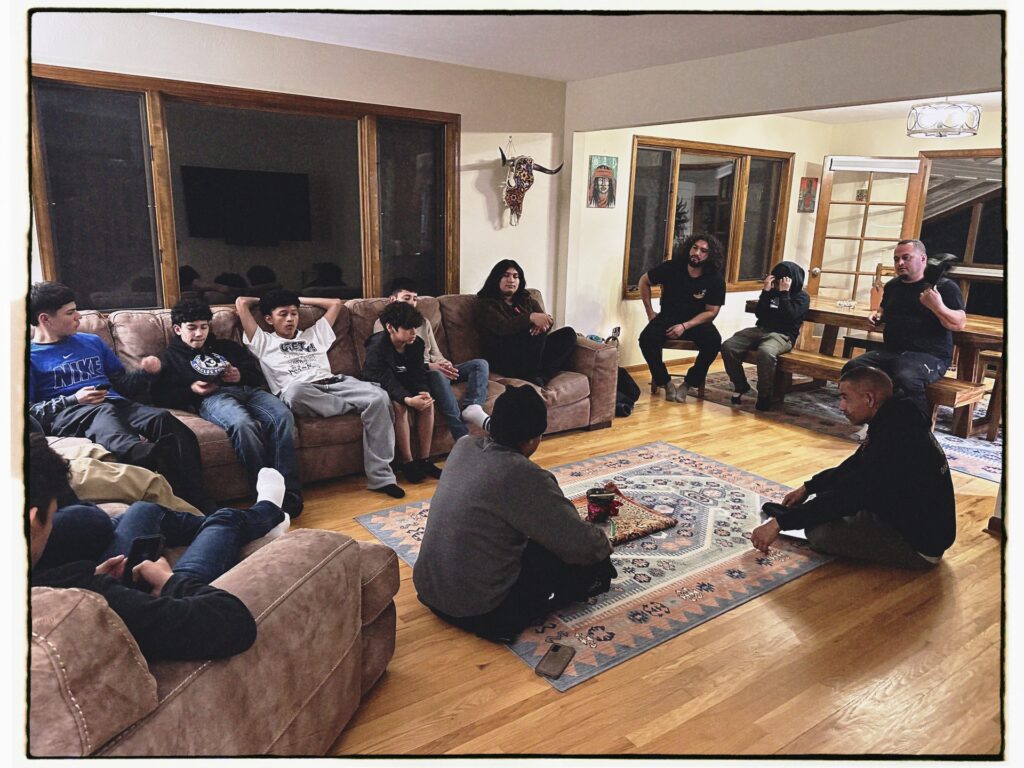
CCFC’s work is relationship centered and focuses on the gifts (assets) of the youth, family and community in which they live. We emphasis the interconnectedness we have within our communities and work collaboratively with youth and their families to provide a safety net of support. It is important that we provide an intentional space that offers youth the opportunity to connect with elders and we ensure staff, and volunteers model skills for recognizing triggers, calming, centering, and staying present during emotionally pressuring moments. Our work is informed by the culture, gender, age, and other identities of our youth to ensure youth feel connected, safe, and trusting of our staff, volunteers and space. Healing generational wounds to build resilience and coping skills is key in our approach to transformational healing. Self-care for youth, families, staff and volunteers is weaved into the fabric of CCFC on all levels. We acknowledge trauma can be central to development and a wide range of adaptations in which youth make decisions therefore we focus on supporting the healthy development of youth within what we can the four domains of healing and good health. Our organizational journey is that of healing harm/hurt and emotional, mental and spiritual wounds.
Culturally rooted

In the Arts-Integrated Curriculum, as defined by The Kennedy Center’s Changing Education Through the Arts (CETA) program, “the arts become the approach to teaching and the vehicle for learning.” Students meet dual learning objectives when they engage in the creative process to explore connections between an art form and another subject area to gain greater understanding in both. For example, learners meet objectives in theater (characterization, stage composition, action, expression) and in social studies. The experience is mutually reinforcing—creating a dramatization provides an authentic context for learners to learn more about the social studies content and as learners delve deeper into the social studies content, their growing understanding affects their dramatizations.
Project-based learning (PBL) is a teaching method in which students work on a project over an extended period of time that engages them in a variety of content areas to solve a real-world problem or answer a complex question. As a result, students develop deep content knowledge and the ability to apply it in real-world situations. They demonstrate their knowledge and skills by developing a public product or presentation for a real audience. PBL makes learning relevant.
Restorative and Transformative
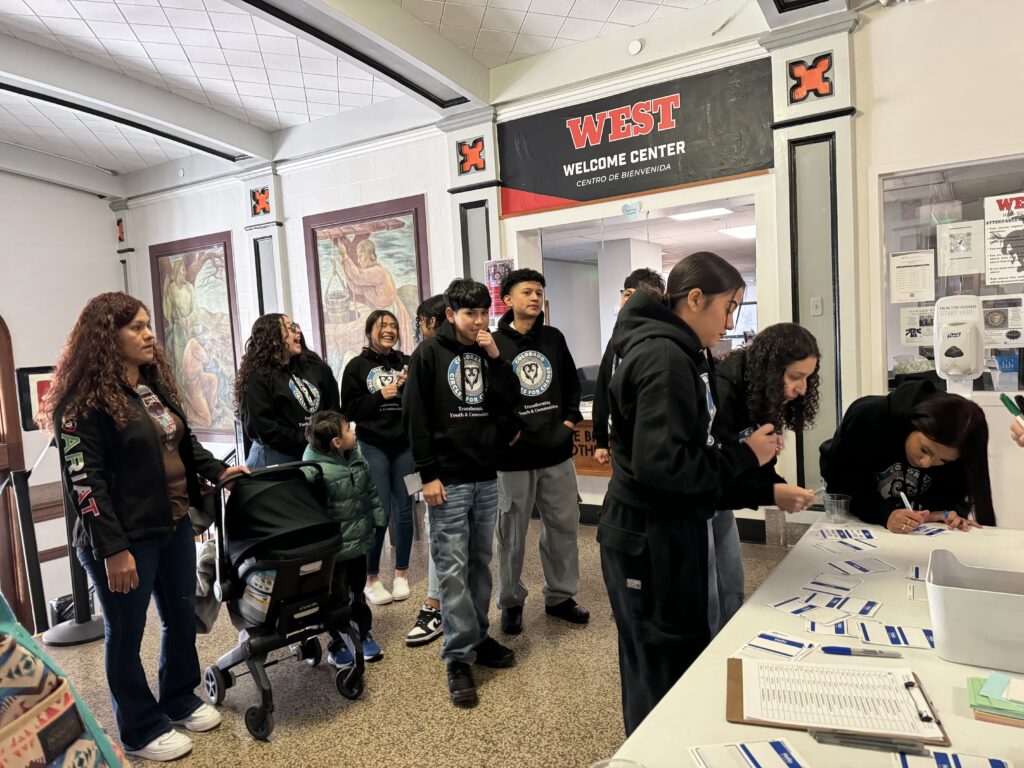
CCFC has continued to embrace values that focus on healing harm caused by crime but has taken Restorative Justice to a deeper level of Transformative Justice.
VORP captures Transformative Justice (TR) by taking the principles and practices of Restorative Justice beyond the criminal justice system. It is a way of practicing alternative justice which acknowledges individual experiences and identities and works to actively resist the criminalization of youth, keep them in school, and out of the criminal justice system and transform decision making.
The focus of TR is to begin a journey of transformational healing for youth, families, and community by focusing on the root causes of harm (crime). This is done by addressing generational wounds and trauma caused by societal oppression (racism, poverty, systemic violence etc.) to inspire youth to empathize with survivors of crime and heal the harm they’ve caused them.
Transformative Justice also actively works to transform systems that cause harm to particular communities, especially communities of color such as the school to prison pipeline, the war on drugs, and the prison industrial complex.
Racial Justice